














《北上洗牙要唔要打麻醉?》 — Do You Need Anesthesia for Teeth Cleaning Up North?
Thinking of heading up north for a quick dental clean—maybe Chiang Mai, Chiang Rai, or even “upcountry” clinics where the vibe is more sabai sabai and the cost is friendly on the wallet? Many people ask the same question: do you need anesthesia (numbing) for scaling and polishing in Thailand? Short answer: for a standard teeth cleaning, usually no. But there are “same same but different” situations where numbing can be helpful.
What exactly is “scaling and polishing” in Thailand?
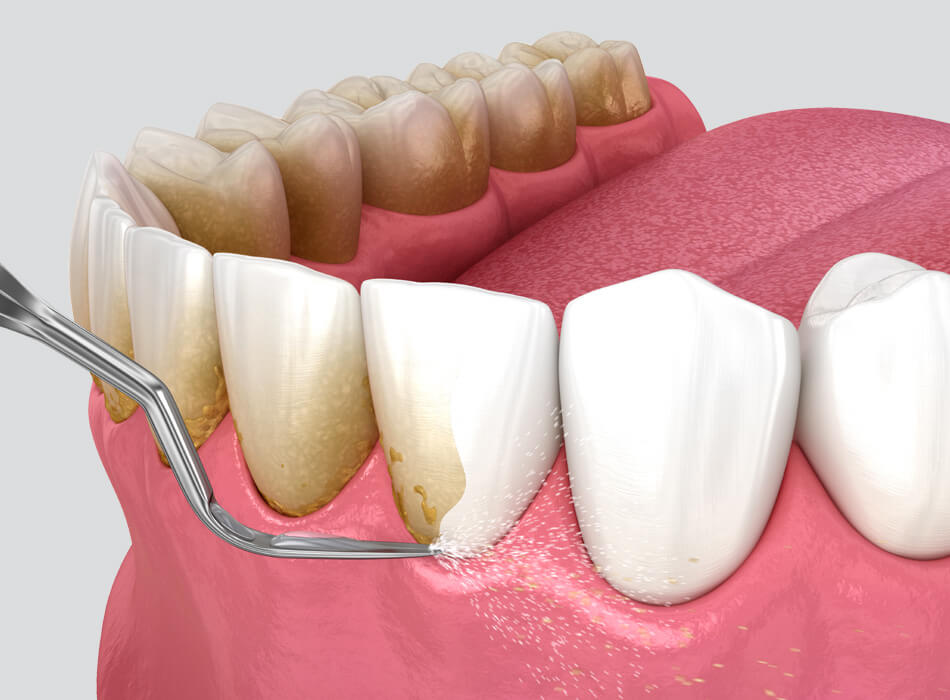
- Scaling removes plaque and tartar from your teeth, especially around the gum line, using ultrasonic tools that vibrate to break down hardened deposits.
- Polishing smooths the tooth surface so plaque sticks less easily afterward.
- In most Thai clinics—from Bangkok to Chiang Mai—this is a routine, walk-in-friendly service. Appointments are easy to book, and many clinics have good service mind and English-speaking staff, especially in tourist cities.
Does a normal clean need anesthesia?
- Typically, no. Most people feel only mild discomfort or a tickling/vibrating sensation. If your gums are healthy, scaling is not painful.
- If your gums are inflamed or you have lots of tartar, you may feel sensitivity, especially near the gum line. Even then, many patients manage well without injections.
When might numbing be recommended?
- Sensitive teeth or sore, swollen gums: A topical numbing gel can be applied. It wears off quickly and doesn’t involve needles.
- Deep cleaning (root planing) for gum disease: If the dentist needs to clean under the gums, a local anesthesia injection is often recommended so you feel comfortable. This is more than a standard clean and can take longer, sometimes done over two visits.
- Extensive tartar buildup or anxiety: If you’re nervous or haven’t had a cleaning for a long time, ask for numbing options. Thai dentists are generally flexible—no worry, just discuss kindly and they’ll find a solution.
Bangkok vs Up North: same same but different
- Bangkok: Many clinics with modern equipment, bilingual staff, and slightly higher price. Easy access near BTS/MRT. Good for expats and farang who prefer clear communication.
- Chiang Mai / Chiang Rai / upcountry: Cozy clinics with chilled vibe, usually lower prices, and shorter waits. Plenty of dentists trained in Bangkok or overseas. English is often okay in tourist areas, but bring a simple phrase list just in case.
- Quality is generally solid across Thailand, but always check reviews, dentist credentials, and sterilization standards. No need to overthink—just do due diligence.
Is it safe to use anesthesia in Thailand?
- Yes, when given by licensed dentists. Local anesthesia is commonly used for fillings, extractions, and deep cleaning. Side effects are usually minor: tempor
ary numbness, mild soreness, or a “fat lip” feeling for a few hours.
- If you have allergies, heart conditions, are pregnant, or take blood thinners, tell the dentist before any numbing or deep cleaning.
How to talk to the dentist (Thai-English style)
- “My teeth are sensitive here.” Point to the area.
- “Can use numbing gel?” Simple and clear.
- “If too painful, can stop and numb, chai?” Chai = yes; many dentists will smile and say “ok krub/ka.”
- “I want normal clean, not deep clean, unless necessary.” Helps manage expectations and cost.
What about the cost?
- Standard scaling and polishing: Typically a few hundred to a couple thousand baht, depending on clinic and city.
- Deep cleaning (per quadrant): Higher cost because it’s more complex and time-consuming. Numbing may be included or billed separately.
- Ask for a clear treatment plan and breakdown before starting. Thai clinics are generally transparent—just request the price “before do.”
Tips before your appointment
- Brush and floss well the night before and the morning of your visit.
- Avoid very cold or very hot drinks if your teeth are sensitive.
- If you’re nervous, go sabai sabai: bring headphones, a chill playlist, and let the staff know—you’ll get gentle care.
Aftercare: what to expect
- Mild gum tenderness or slight bleeding can happen if tartar was heavy or gums are inflamed. It usually settles within 24–48 hours.
- Avoid super-spicy, very hot, or icy drinks immediately after if your gums feel sore—yes, we know, tom yum and som tam call your name, but give it a few hours.
- Rinse with salt water or an antiseptic mouthwash if advised.
- Keep up daily brushing (soft brush) and flossing. If flossing is new, go slow and gentle; your gums will thank you.
Who should consider anesthesia for a clean?
- People with gum disease signs: persistent bleeding, bad breath, or deep pockets.
- Those with very sensitive teeth, exposed roots, or recession.
- Anyone anxious about dental work—comfort matters, and numbing can make the experience more sanuk, less stress.
Bottom line
If you’re heading north for a routine teeth cleaning in Thailand, anesthesia is usually not needed. For deep cleaning or sensitive gums, topical gel or local anesthesia can make a big difference. Thai dental care is practical, friendly, and efficient—just communicate your comfort level and health history. Same same but different clinic styles from Bangkok to Chiang Mai, but the quality is consistently good when you choose a reputable dentist.
Ready to book? Check reviews, compare prices, and pick a clinic near your hotel or condo. Go in with a mai pen rai mindset, and you’ll likely walk out with cleaner teeth, fresher breath, and a smile that feels sabai sabai. If in doubt, ask the dentist to start gentle and numb only if needed—easy, safe, and wallet-friendly.


