















《北上洗牙會唔會流血?》 Will Teeth Cleaning Up North Make Your Gums Bleed?
If you’re planning a quick trip “up north” for dental scaling—like many Hong Kong folks heading to Shenzhen for a same-day clean—the big question is simple: will it bleed? Jing jing, a little bit of bleeding during or after a professional cleaning is quite normal, especially if you already have gum inflammation. Don’t panic. Keep chai yen yen. Let’s break it down in a friendly, sabai-sabai way so you know what to expect and how to prepare.
Why gums bleed during scaling
- Plaque and tartar irritate your gums. When hard deposits sit along the gumline, your body reacts with inflammation. Inflamed gums are fragile—touch them and they may bleed.
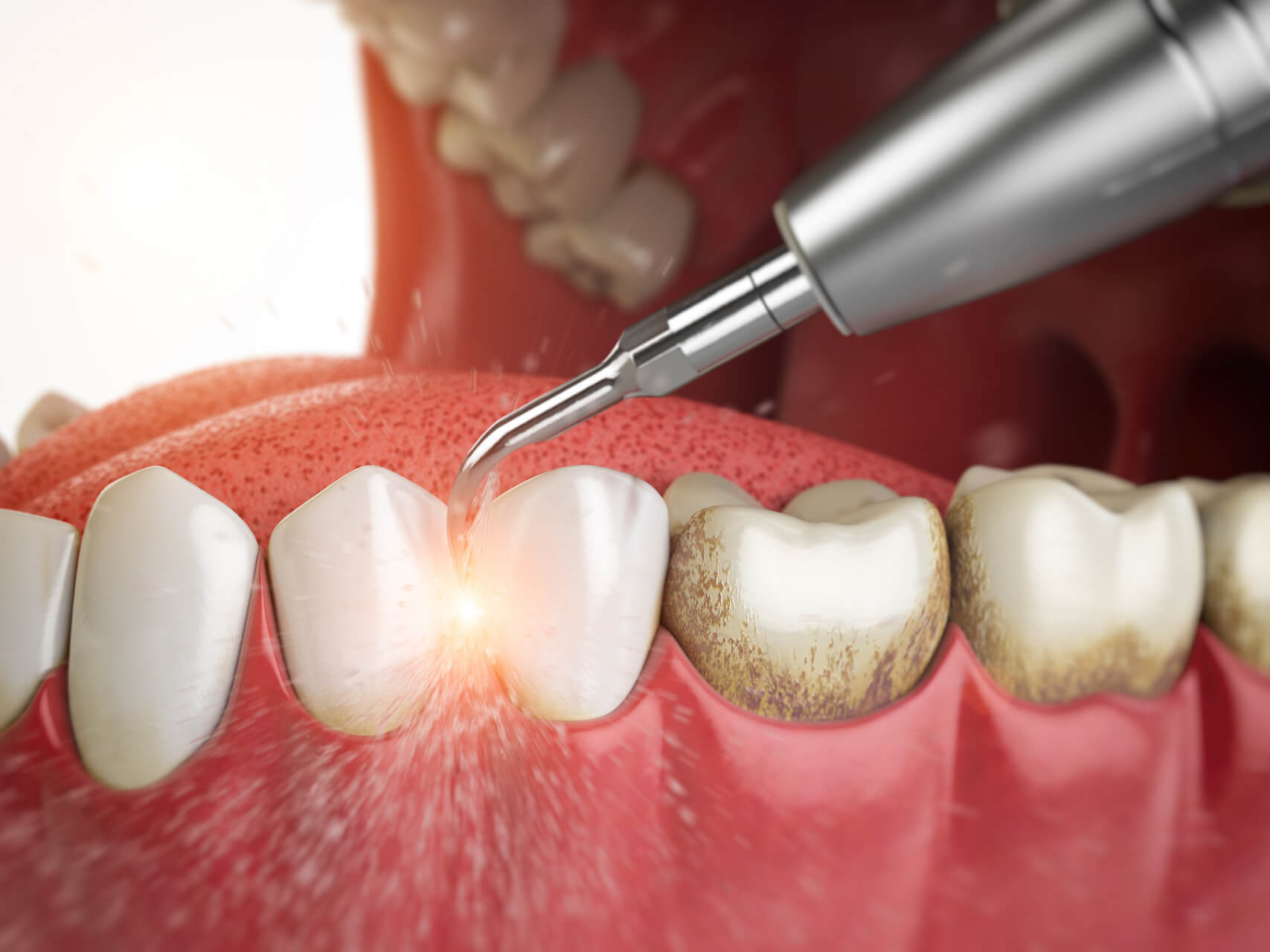
- The ultrasonic scaler brushes against the gum edges. Dental instruments are designed to remove tartar efficiently. When they lift off deposits tucked under the gumline, a bit of bleeding can happen, same same but different from a tiny cut that heals fast.
- Pre-existing gingivitis or periodontitis. If your gums bleed when you brush at home, expect a bit more bleeding in the chair. Once the tartar is gone, bleeding usually reduces within days as your gums calm down.
When bleeding is more likely
- Lots of calculus (tartar) built up over months. The more there is to remove, the more your gums can get tender.
- Medications that thin blood, like aspirin or warfarin. Always tell the dentist if you take them.
- Smoking, diabetes, pregnancy, and hormonal changes. These can make gums more reactive.
- Deep cleaning for gum disease (scaling and root planing). This goes below the gumline and can cause more bleeding than a routine clean, often with local anesthesia.
How much bleeding is “normal”?
For a routine scale and polish, you may taste a bit of blood during the session and see pink in your saliva after. That usually settles within a few hours. Light bleeding can show up again the first couple of times you brush at home, then it fades as the gums get healthier. If you experience continuous heavy bleeding, large clots, or swelling that doesn’t improve after 24–48 hours, that’s not mai pen rai—contact the clinic promptly.
Is going north for scaling safe?
Many cross-border clinics are well equipped, efficient, and offer competitive prices. Still, be smart:
- Choose licensed clinics with good reviews, not just the cheapest promotion.
- Ask about sterilization. Autoclave-packed instruments, disposable tips, and fresh gloves are standard.
- Check the dentist’s qualifications. Experience with periodontal care matters.
- Communicate your health history. Bring a simple note of medications and allergies.
What the procedure feels like
- Ultrasonic scaling uses high-frequency vibration and water spray to lift off tartar. It feels buzzy, not sharp.
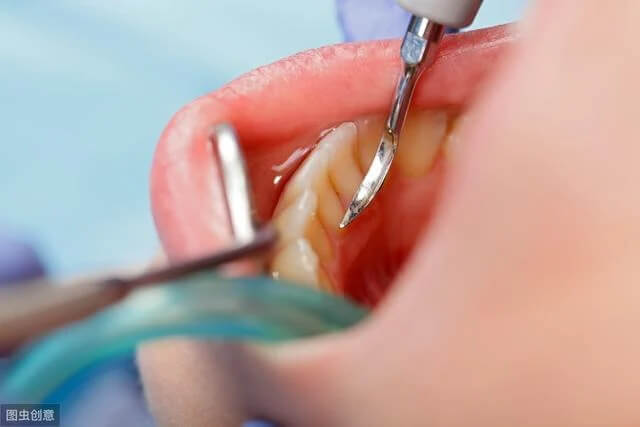
- Hand instruments may be used to smooth areas the scaler can’t reach.
- Polishing removes stains and makes teeth feel extra clean.
- Sensitivity can occur, especially
near the roots if tartar was thick. A numbing ge
l or local anesthetic can be offered if you’re very sensitive—just ask. No need to be shy.
Aftercare to reduce bleeding and speed healing
- Brush gently but thoroughly twice a day with a soft toothbrush. Don’t stop brushing; clean technique helps gums recover.
- Floss daily. Expect a little pink at first; it’s a sign you’re removing trapped plaque where it matters.
- Rinse with warm salt water or use chlorhexidine mouthwash for 5–7 days if your dentist recommends it.
- Avoid super spicy or very hot food for 24 hours—save the tom yum extra spicy and fiery somtam for later. Luk chup sabai, keep it mild today.
- Don’t smoke for at least 24–48 hours. Smoking delays healing.
- Take paracetamol if you’re uncomfortable. Avoid extra aspirin unless prescribed, because it can increase bleeding.
- Drink plenty of water and skip alcohol the first day.
- If you see persistent bleeding that soaks tissues or lasts more than two days, call the clinic for advice.
Myth-busting, Thai-style
- “Scaling makes teeth loose.” Not true. Tartar can act like a fake support between teeth. After removal, existing gaps may look more obvious, but cleaning doesn’t loosen teeth—gum disease does. Fix the disease, and your mouth gets stronger.
- “Cleaning thins enamel.” No la. Professional scaling removes deposits, not healthy tooth structure.
- “Bleeding means the dentist did something wrong.” Most of the time, bleeding means your gums were inflamed before the visit. The clean is the first step to making them healthy again.
Tips if you’re traveling north for a same-day clean
- Eat a light meal first, so you’re comfortable in the chair.
- Schedule earlier in the day. If anything feels sensitive, you have time to return or rest before heading home.
- Bring your ID, health notes, and a list of meds—makes things easy, mai pen rai.
- Ask about costs upfront: routine scaling vs deep cleaning. Prices differ depending on gum condition and time needed.
- Consider a follow-up photo or check if the clinic offers a short recheck within 1–2 weeks, especially if you had deeper cleaning.
When to choose deep cleaning instead of a quick polish
If your gums are swollen, bleed often, or you have bad breath, loose teeth, or gum recession, you may need scaling and root planing rather than a surface clean. Deep cleaning goes under the gums to remove bacteria from pockets. It can involve more bleeding and longer recovery, but results are stronger long-term. Your dentist can measure pocket depths and show you why a deeper approach is necessary—no guesswork.
The bottom line
Will teeth cleaning up north make your gums bleed? A little bleeding is common, especially if you already have gum inflammation. It’s not a reason to avoid care—actually, it’s a sign you’re on the right path to healthier gums. Choose a reputable clinic, communicate openly, and follow the aftercare. Within days, the bleeding should reduce, your breath feels fresher, and your smile gets that clean, sabai feeling. Same same but better.


